Fema Campers
Learn what a FEMA campers are and how you can purchase one
Characteristics
FEMA campers or FEMA travel trailers are somewhat different than most other campers that we know. While they are used by some people as regular travel trailers, their initial purpose was to serve as shelters and temporary housing for victims of hurricanes.
They were used a lot in the USA and their name was assigned by the government of the United States. These campers provide a better shelter than tents, they are safer, warmer and they can be used immediately after a disaster.
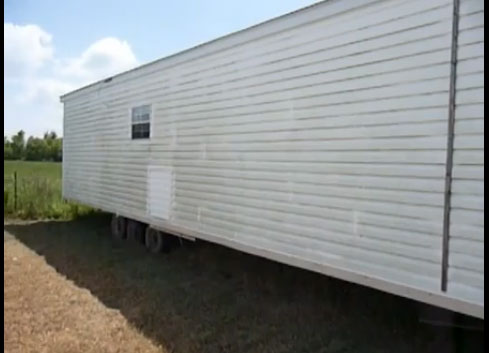
Fema campers have a very specific look that makes the stand out. They are white made of a mixture of aluminum and plastic. They have only one small door and small windows. They have a simple robust shape, after all not much effort was put into their design. These camper were made to help people survive and not to be used for leisure and fun.
Pros
Fema trailers are mass produced, strong trailers with only a few windows. Most of the models have one bedroom with a big bed, a kitchen with stove and basic facilities, and a bathroom with a shower. These trailers also have air conditioning and heating, running cold and hot water, microwave oven, fridge and some furniture. While they offer the basic things for people who need emergency places to stay, they are also somewhat comfortable. They are connected to a water source and a sewage system.
Cons
The downfalls of Fema trailers it that they are poorly insulated and they have only a little storage space. One of the controversies which made these trailers so famous and infamous was the usage of chemicals that happened when the trailers were manufactured.
Many inhabitants of Fema trailers have noticed strange symptoms after living in the trailers, which made them be called toxic trailers after a while. Even though the Fema trailers had some downfalls, overall they were considered a great place to stay for the victims of floods and hurricanes.
Buying a Fema trailer
Since there was a surplus of Fema trailers, the government decided to sell some of them. Nowadays you can already purchase Fema trailers from eBay as well, where there are many auctions for used and new Fema trailers. Other websites that sell Fema trailers are Government Auctions, Discount Fema Trailers and Yakaz. On Yakaz you can easily locate a seller which is close to your area, therefore you can go and look at the travel trailer before you buy it.
Prices
The price of Fema trailers varies a great deal. While most Fema trailers have one bedroom, a kitchen and a bathroom, there are some bigger ones as well. New Fema trailers with two bedrooms and one bathroom offer enough storage space and living area for a larger family. Such a trailer can be as much as $15,000. A smaller Fema trailer with only one bedroom is about $4000. Used Fema trailers can be cheaper but they are often also very damaged.
These campers are temporary residences manufactured by FEMA (Federal Emergency Management Agency), to serve as temporary residences for people affected by the Hurricane Katrina and Hurricane Rita.
Visitor's Story.....
They
were initially built to replace the tents people were using and to
serve as a more comfortable shelter before people found the means to
purchase new homes.
How a FEMA camper looks like
A FEMA trailer has one master bedroom with one standard size bed, two bunk beds a kitchen with stove and a bathroom.
The
extra options and accessories vary with the model, but most of these
trailers have a shower, electricity, air conditioner, refrigerator,
microwave and some pieces of furniture – to put it in a nutshell, the
trailer has all the basic facilities to accommodate a two-adults and
two-children family.
How you can purchase a FEMA camper
- FEMA offered these trailers to the families in need and requested no money for them in return, but it wasn’t a donation, just a temporary transfer of usufruct rights from the government to the families. This means that these trailers still are the property of the US government and need to be given back where there’s no more need for them. This way they are collected and the surplus of campers is sold via public auctions organized by the General Services Administration. So the first way someone can purchase such a trailer is by participating in these public auctions.
- In 1995 in Florida, after Hurricane Andrew passed, many people considered buying this camper for the price of $1,100 and these people sell their campers every now and then. So the second way of purchasing a this trailer is by participating in open auctions organized by these owners.
- Storm, hurricane or other natural disaster victims can also apply for a this camper and so far almost all applications have been granted. Large families were also given the opportunity of benefiting from two or more such trailers. For more information on how you can apply for a FEMA trailer, you will find fema.gov a valuable resource.
.
About Us / Privacy Policy / Resources
Go from Fema Campers to Pop Up Campers Trailer Home
Recent Articles


